NEET Protests, and the Rise of the Cockroach Janta Party (CJP)
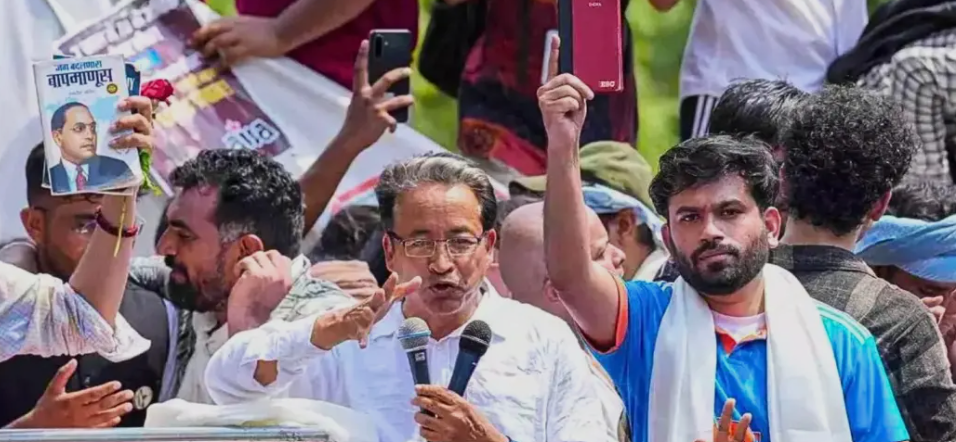
The 2026 protests over the National Eligibility cum Entrance Test (NEET) marked one of the largest student-led movements in recent Indian history. Allegations of examination paper leaks, concerns over transparency, and growing frustration among students sparked demonstrations across multiple states. What began as a movement demanding accountability in the examination system gradually evolved into a broader discussion about education reforms, youth unemployment, and governance.
A notable development during this period was the emergence of the Cockroach Janta Party (CJP), a youth-led movement that became closely associated with the protests. According to Reuters and the Associated Press, the movement gained national attention after mobilizing thousands of students and young people, while its leaders stated that their immediate focus was social activism and education reforms rather than electoral politics.
Introduction to NEET Protests
India’s education system serves millions of students each year through highly competitive entrance examinations. Among these, the National Eligibility cum Entrance Test (NEET) is the primary gateway for admission to undergraduate medical and dental programs. Because medical seats are limited and competition is intense, any controversy surrounding the examination immediately affects students, parents, educational institutions, and policymakers.
The 2026 NEET controversy became a defining issue after allegations of examination irregularities and paper leaks triggered widespread protests. Students demanded greater transparency, stricter accountability, and reforms in the examination process. The protests soon expanded beyond academic concerns and reflected wider frustrations over opportunities available to young people.
Understanding NEET
NEET is a national entrance examination conducted for admission to MBBS, BDS, AYUSH, and other medical courses. Every year, millions of aspirants spend months or even years preparing for this highly competitive examination.
The importance of NEET extends beyond admission to medical colleges. For many families, success in the examination represents years of financial investment and personal sacrifice. Consequently, any allegations of irregularities raise serious concerns about fairness and equal opportunity.
Background of the 2026 NEET Controversy
The controversy began after reports alleging that the examination paper had been leaked before the scheduled test. Students questioned the credibility of the examination process and demanded a transparent investigation.
The issue quickly spread across social media platforms, where students shared their concerns and organized demonstrations. Many educational experts argued that restoring confidence in national entrance examinations would require stronger security systems and institutional accountability.
As protests intensified, the matter attracted national political attention, with opposition parties, education activists, and civil society organizations expressing their views on the issue.
Why Students Protested
Several factors contributed to the nationwide protests.
Alleged Examination Irregularities
Students believed that any compromise in examination security unfairly disadvantaged honest candidates.
Demand for Transparency
Many protesters sought greater transparency in investigations and examination procedures.
Mental Stress
Preparing for competitive examinations often involves significant emotional and financial pressure. Students argued that examination controversies increased anxiety and uncertainty.
Accountability
Protesters demanded responsibility from institutions involved in conducting national examinations.
Growth of Student Demonstrations
Initially, demonstrations were limited to student groups. However, participation expanded rapidly through online campaigns, public meetings, and peaceful gatherings.
Large crowds assembled in several cities to express concerns about examination integrity and broader education reforms. Protest organizers consistently emphasized that their movement represented students seeking fairness rather than any single political ideology.
Emergence of the Cockroach Janta Party (CJP)
One of the most discussed developments during the protests was the emergence of the Cockroach Janta Party (CJP).
The movement attracted significant attention through social media campaigns and youth participation. According to Reuters, CJP leaders described the organization as a platform intended to mobilize young people around accountability and institutional reforms, while stating that they were not immediately seeking electoral office.
Objectives of the CJP
Public statements by CJP representatives focused on several themes:
- Transparent examination systems
- Education reforms
- Accountability in public institutions
- Youth participation in democratic processes
- Greater opportunities for students and young professionals
Supporters viewed the movement as representing broader concerns of India’s younger generation.
Also check- Cockroach Janata Party In India
Social Media and Youth Mobilization
Digital platforms played a major role in organizing demonstrations.
Students used social media to:
- Share information
- Coordinate peaceful protests
- Discuss examination-related concerns
- Connect with participants from different states
The movement demonstrated how online communication can rapidly mobilize large numbers of young people around a common issue.
Government Response: NEET Protests
As demonstrations continued, the government announced investigations into the alleged examination irregularities and proposed measures aimed at strengthening examination security.
According to Reuters, the government also initiated a broader review of examination systems and proposed stricter action against paper leaks.
In addition, discussions were held with protest representatives regarding their demands, while authorities emphasized the importance of maintaining public order during demonstrations.
Public Debate
The protests generated extensive discussion across India.
Some commentators viewed the movement as an important example of democratic participation by young citizens. Others emphasized the need to balance peaceful protest with the uninterrupted functioning of educational institutions.
Many education experts argued that long-term reforms should focus on improving examination security, strengthening digital monitoring systems, and increasing transparency in recruitment and admission processes.
Major Demands of the Protesters
As the movement expanded, the protesters presented a series of demands aimed at improving the credibility of India’s examination system. While individual groups emphasized different issues, several demands were consistently raised during demonstrations.
1. Transparent Investigation
Students called for a fair and independent investigation into the alleged examination irregularities. They argued that any wrongdoing should be identified quickly and that the findings should be made public to restore confidence in the examination process.
2. Stronger Examination Security
Many protesters urged authorities to strengthen the security of competitive examinations. Suggestions included encrypted digital paper transmission, improved monitoring at examination centers, stricter background verification of officials involved in the examination process, and enhanced surveillance systems.
3. Faster Action Against Paper Leaks
Student organizations demanded tougher legal action against individuals or groups found responsible for leaking examination papers. They argued that strict penalties could discourage similar incidents in the future.
4. Greater Transparency
Participants also requested greater transparency in examination administration, including clearer communication about investigations, evaluation procedures, and grievance redressal mechanisms.
Political Reactions
The NEET protests became a major topic of political discussion across India.
Different political parties expressed varying opinions regarding the controversy. Opposition leaders questioned the handling of the examination process and called for greater accountability, while government representatives emphasized ongoing investigations and reforms intended to strengthen examination security.
Public debates took place in Parliament, television discussions, universities, and civil society forums. Education policy became one of the most widely discussed national issues during this period.
According to Reuters, the protests also drew attention because of the visibility of youth-led organizations such as the Cockroach Janta Party (CJP), although the movement stated that its immediate focus remained public advocacy rather than contesting elections.
The Role of the Cockroach Janta Party (CJP)
The emergence of the Cockroach Janta Party became one of the most talked-about developments during the protests.
According to statements reported by Reuters, CJP leaders described the organization as a youth movement seeking institutional reforms, accountability, and greater public participation in democratic discussions. They stated that their priority was to amplify student concerns rather than immediately enter electoral politics.
Supporters viewed the organization as representing the concerns of students and young professionals who wanted reforms in education and public institutions. Critics, however, questioned whether a movement formed during a period of widespread protests could maintain long-term organizational unity.
Regardless of differing opinions, the CJP succeeded in attracting national attention and highlighting issues affecting students.
Police Action and Legal Proceedings
As demonstrations grew larger in some cities, local administrations introduced security measures to maintain public order.
Most protest organizers encouraged peaceful demonstrations, emphasizing non-violent methods of expressing their demands. However, authorities also took legal action where they believed public safety or law and order had been affected.
Meanwhile, investigative agencies continued examining allegations related to examination irregularities. According to publicly reported information, several individuals were questioned during the investigation into the alleged paper leak, and legal proceedings continued under applicable laws.
Impact on Students and Families
The controversy affected millions of students preparing for medical admissions.
Emotional Stress
Students often spend years preparing for NEET. Allegations of irregularities created uncertainty about whether their efforts would receive fair evaluation.
Financial Burden
Many families invest significant resources in coaching classes, study materials, travel, and accommodation. Delays or uncertainty in admissions can increase financial pressure.
Mental Health Concerns
Education experts emphasized the importance of providing counseling and psychological support for students dealing with examination-related stress.
Confidence in Public Institutions
The controversy also highlighted the importance of maintaining public confidence in national examinations. Trust in examination systems is essential because competitive tests influence educational and career opportunities for millions of young people.
Education Reform Proposals
The protests renewed discussion about long-term reforms to India’s examination system.
Several proposals received attention during public discussions.
Improved Digital Security
Experts suggested stronger encryption methods, secure digital distribution of examination papers, and enhanced cybersecurity measures.
Independent Oversight
Some education specialists proposed independent monitoring bodies to supervise the conduct of large-scale examinations.
Better Grievance Redressal
Students recommended faster complaint resolution systems so that concerns could be addressed promptly.
Technology-Based Monitoring
Artificial intelligence, biometric verification, and digital surveillance technologies were suggested as tools that could improve examination integrity while protecting student privacy.
Regular Audits
Periodic audits of examination procedures were also recommended to identify weaknesses before future examinations.
Public Opinion
Public opinion regarding the protests varied.
Many citizens expressed sympathy for students who had spent years preparing for highly competitive examinations. Others emphasized that investigations should proceed according to law and that conclusions should be based on verified evidence rather than speculation.
Education experts generally agreed that maintaining fairness and transparency in entrance examinations is essential for preserving public trust.
Media Coverage
The NEET protests received extensive coverage from newspapers, television channels, and digital media platforms.
Traditional media focused on developments in investigations, government responses, and political reactions. Social media played a different role by enabling students to share experiences, organize peaceful demonstrations, and communicate directly with wider audiences.
The widespread media attention ensured that education reform remained an important national issue throughout the controversy.
Challenges Ahead
Although investigations and policy discussions continue, several challenges remain.
Restoring Trust
Perhaps the greatest challenge is rebuilding confidence in national entrance examinations.
Balancing Security and Accessibility
Authorities must strengthen examination security without making the process unnecessarily complicated for genuine candidates.
Supporting Students
Improving counseling services, communication, and transparency can help reduce anxiety among future examination candidates.
Long-Term Reform
Experts argue that sustainable reforms require continuous review, investment in technology, and cooperation between governments, educational institutions, and examination authorities.
Lessons from the NEET Protests
The events surrounding the NEET controversy offer several broader lessons.
- Transparent institutions strengthen public confidence.
- Competitive examinations require robust security systems.
- Student voices are an important part of democratic dialogue.
- Technology should be used to improve examination integrity.
- Timely communication helps reduce misinformation and public uncertainty.
These lessons may guide future improvements in India’s education system.
Future of the Cockroach Janta Party
The long-term future of the Cockroach Janta Party remains uncertain.
Some analysts believe that youth-led organizations emerging from social movements may continue influencing public debate through advocacy and awareness campaigns. Others argue that sustaining momentum requires strong organizational structures, consistent leadership, and clearly defined objectives.
Whether the CJP eventually participates in electoral politics or remains a civil society movement, its emergence has already contributed to wider discussions about youth engagement, education policy, and public accountability.
Conclusion
The 2026 NEET protests became one of the most significant student movements in recent years because they highlighted concerns about examination integrity, transparency, and accountability. The movement demonstrated how education issues can quickly become matters of national importance when they affect the aspirations of millions of students.
The emergence of the Cockroach Janta Party added another dimension to the public debate by bringing greater attention to youth participation in civic discussions. While opinions differ regarding the movement’s long-term political future, it has contributed to conversations about education reform and institutional accountability.
Moving forward, strengthening examination security, improving transparency, ensuring timely investigations, and maintaining open communication with students will be essential for rebuilding public trust. A fair and credible examination system benefits not only students but also educational institutions, employers, and society as a whole.
The NEET protests ultimately underscored a broader message: educational opportunities must be protected through transparent institutions, effective governance, and continuous reforms. By addressing these challenges thoughtfully and responsibly, India can further strengthen its education system and provide future generations with greater confidence in competitive examinations and public institutions.